
Pregnancy is a journey of transformation, preparation, and anticipation. As the due date approaches, many mothers experience a mixture of excitement and uncertainty. Questions such as “How will I know labour has started?”, “What should I carry to the hospital?”, “Will my baby be safe?”, and “What happens during delivery?” are common concerns, especially for first-time mothers.
Preparing for birth before labour begins helps mothers approach delivery with confidence, make informed decisions, and respond quickly when care is needed. Birth preparedness is an important part of quality maternal healthcare because it encourages women and families to plan for a safe delivery and possible emergencies.
The World Health Organization (WHO) recommends that every pregnant woman receives respectful, quality antenatal care and counselling that supports preparation for childbirth and positive pregnancy experiences. Antenatal contacts provide opportunities for mothers to receive education, identify risks early, and develop plans for safe delivery. World Health Organization
Understanding the Signs of Labour
One of the most important things every expectant mother should know is how to recognize when labour begins. Labour is different for every woman, but common signs include regular painful contractions that become stronger and closer together, lower abdominal or back pain, a “show” (loss of the mucus plug), and possible breaking of the waters.
However, some signs require immediate medical attention. These include heavy vaginal bleeding, severe abdominal pain, convulsions, severe headache, difficulty breathing, fever, or reduced baby movement. Recognizing these warning signs early can save the lives of both mother and baby.
In Uganda, delays in deciding to seek care, reaching a health facility, and receiving appropriate care have historically contributed to maternal and newborn complications. Birth preparedness helps reduce these delays by ensuring families know what action to take when labour or danger signs occur.
Choosing Where to Give Birth
Every mother deserves access to skilled care during childbirth. Delivering with a skilled birth attendant, such as a midwife, increases the likelihood that complications will be recognized and managed promptly.
Across Uganda, many health facilities, including hospitals, health centres, and maternity units, provide skilled delivery services. However, access and readiness vary, especially in rural communities. Mothers and families should discuss with a healthcare provider the most appropriate place for delivery based on their health needs, pregnancy risks, and available support.
A midwife can help mothers understand their options and prepare for a safe delivery experience.
Preparing a Birth Plan
A birth plan is a simple but powerful tool that helps mothers and families prepare for delivery. It does not mean everything will happen exactly as planned, but it ensures important decisions are considered in advance.
A birth plan may include:
- The preferred place of delivery.
- The person who will provide support during labour.
- Transport arrangements to the health facility.
- Emergency contacts.
- Necessary items for the mother and baby.
- Financial preparation for possible needs.
For mothers living in areas such as rural districts of Uganda, where transport challenges may delay access to care, planning early is particularly important.
Preparing Mentally and Emotionally for Labour
Childbirth is not only a physical experience but also an emotional one. Fear and anxiety about labour are common, but accurate information and supportive counselling can help mothers feel more prepared.
Midwives play an important role in educating mothers about labour stages, pain management options, breathing techniques, newborn care, and what to expect immediately after birth.
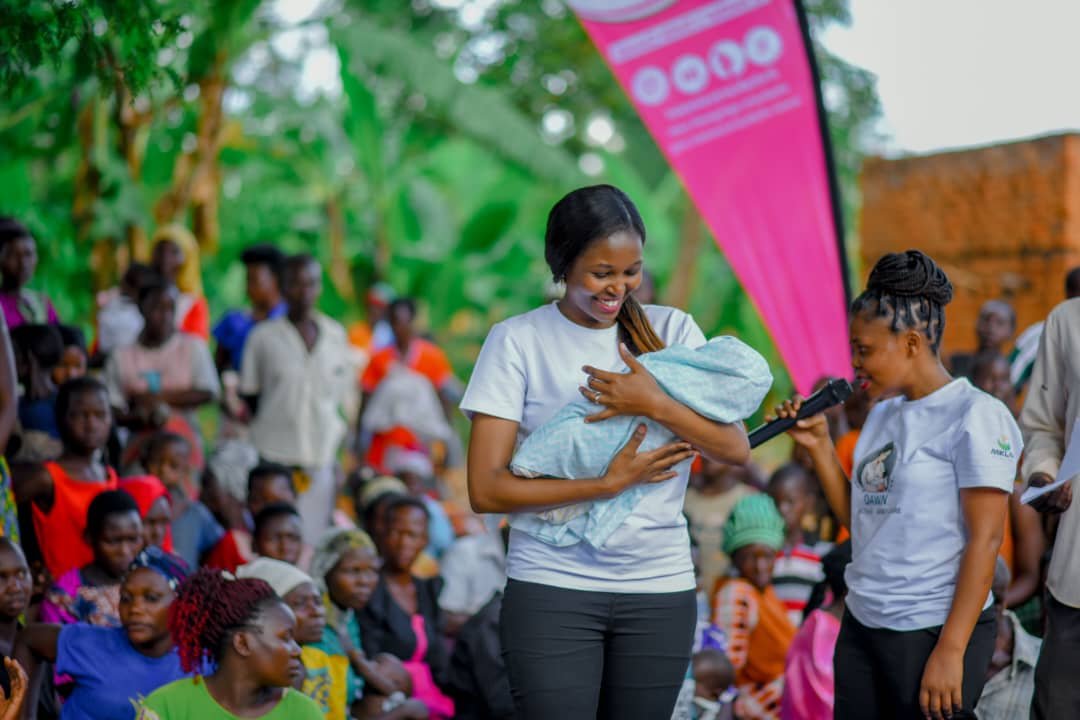
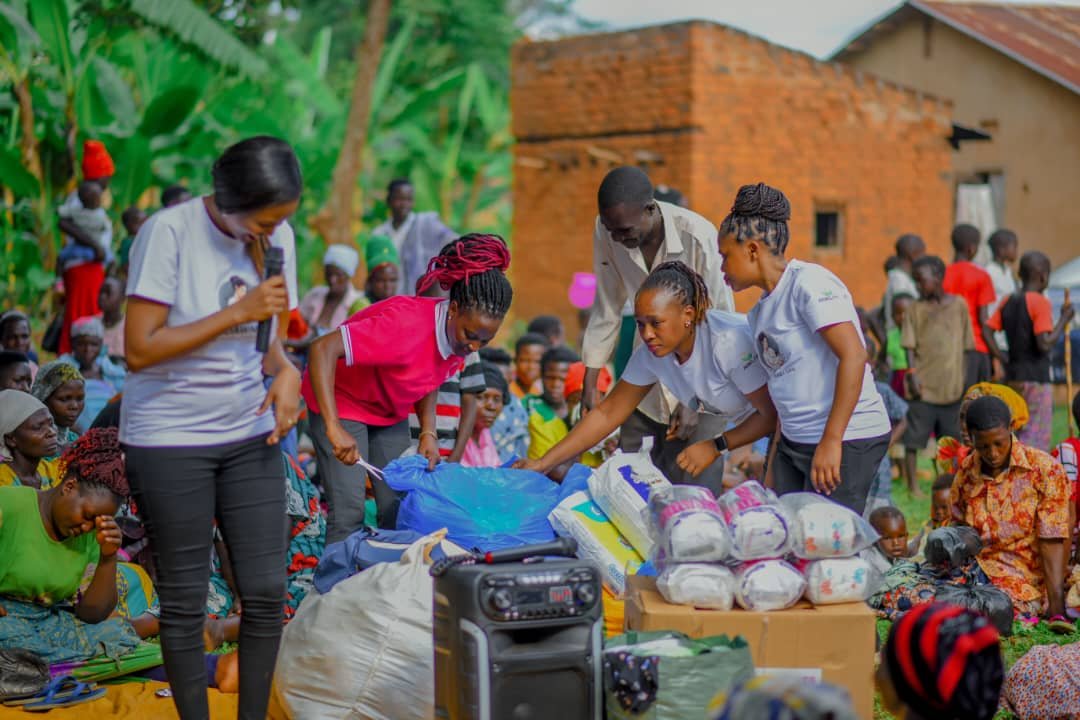
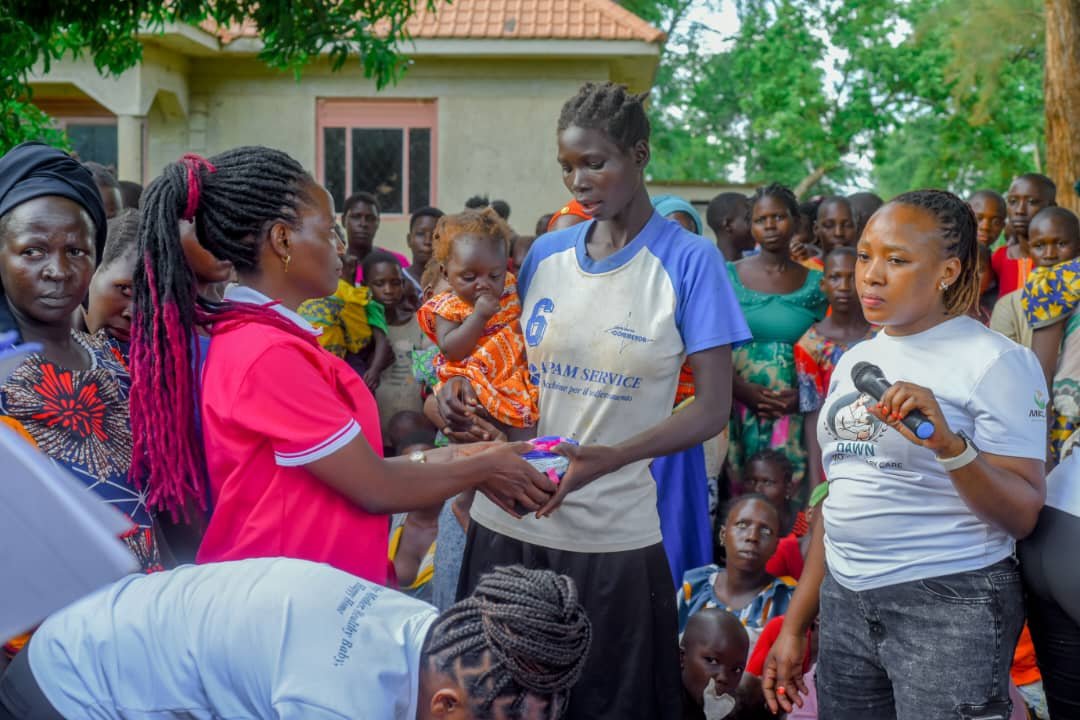
At DAWN Mother-Baby Initiative, mothers are encouraged to ask questions, express their concerns, and seek support throughout pregnancy. Through professional guidance, telehealth consultations, and digital maternal communities, DAWN helps mothers across Uganda prepare for childbirth with confidence.
Every Mother Deserves a Safe Beginning
Preparing for birth is not about removing every uncertainty; it is about ensuring mothers have knowledge, support, and a plan. A well-prepared mother is better equipped to recognize changes, seek timely care, and welcome her baby safely.
Birth is one of life’s most important moments. With the right information and support, every mother can approach this journey feeling empowered, respected, and cared for.