

The birth of a baby is often described as the beginning of a new chapter. While much attention is given to pregnancy and childbirth, the weeks and months after delivery are equally important for the health and wellbeing of both mother and baby.
The postnatal period, commonly considered the first six weeks after childbirth, is a critical time when mothers recover from pregnancy and delivery, babies adapt to life outside the womb, and families begin building new routines. However, many mothers face challenges during this period, including breastfeeding difficulties, emotional stress, infections, newborn concerns, and uncertainty about caring for their baby.
Postnatal support ensures that mothers do not feel alone during this important transition.
The Mother Also Needs Care After Birth
A common misconception is that once a baby is delivered, the mother’s healthcare journey is complete. In reality, childbirth places significant physical and emotional demands on a woman’s body.
After delivery, mothers need support to recover, monitor their health, and identify possible complications. Conditions such as excessive bleeding, infections, high blood pressure, severe pain, or emotional distress require timely attention.
According to the World Health Organization, quality postnatal care should support both maternal and newborn health through regular assessment, counselling, breastfeeding support, and timely identification of health concerns. World Health Organization
Supporting Successful Breastfeeding
Breastfeeding provides essential nutrition and protection for newborns, but many mothers experience challenges, especially during the first days after birth.
Some mothers struggle with poor attachment, painful breastfeeding, concerns about milk supply, or uncertainty about whether their baby is feeding enough. Professional guidance from midwives can help mothers overcome these challenges and establish successful breastfeeding practices.
In Uganda, where exclusive breastfeeding remains an important child health intervention, supporting mothers during the early postnatal period can contribute significantly to improved newborn nutrition and survival.
Caring for the Newborn With Confidence
Many new parents have questions:
“Is my baby crying too much?”
“How often should my baby breastfeed?”
“How do I know if my baby is sick?”
Postnatal support provides mothers with practical knowledge about newborn care, including safe sleeping practices, hygiene, immunization schedules, cord care, and recognizing danger signs.
Newborns can become seriously ill quickly, and early recognition of problems such as difficulty breathing, fever, poor feeding, or unusual sleepiness can help families seek care promptly.
Supporting Maternal Mental and Emotional Wellbeing
Motherhood brings joy, but it can also bring emotional challenges. Some mothers experience sadness, anxiety, exhaustion, or feelings of being overwhelmed after childbirth.
A supportive environment where mothers can talk openly about their experiences is essential. Family support, peer communities, and professional guidance can help mothers adjust to their new roles.
Digital maternal communities are increasingly valuable in Uganda because they allow mothers to access encouragement, information, and professional advice even when physical visits are difficult.
DAWN’s Commitment to Walking With Mothers
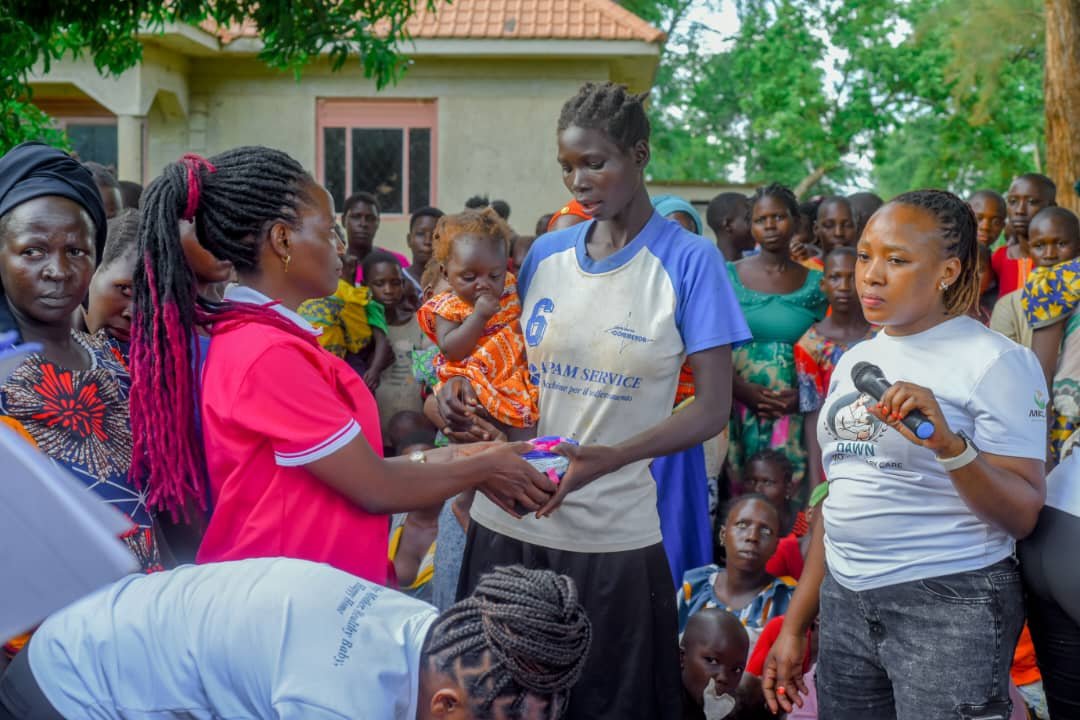
At DAWN Mother-Baby Initiative, motherhood does not end at delivery. The initiative believes that every mother deserves continuous support through pregnancy, childbirth, and the postnatal journey.
Through telehealth consultations, maternal education, and digital support communities, DAWN connects mothers with trusted guidance when they need it most.
A healthy baby begins with a supported mother. By investing in postnatal care, families and communities create stronger foundations for healthier generations.
Every mother deserves to be cared for, listened to, and supported — not only when giving birth, but throughout the beautiful journey of motherhood.