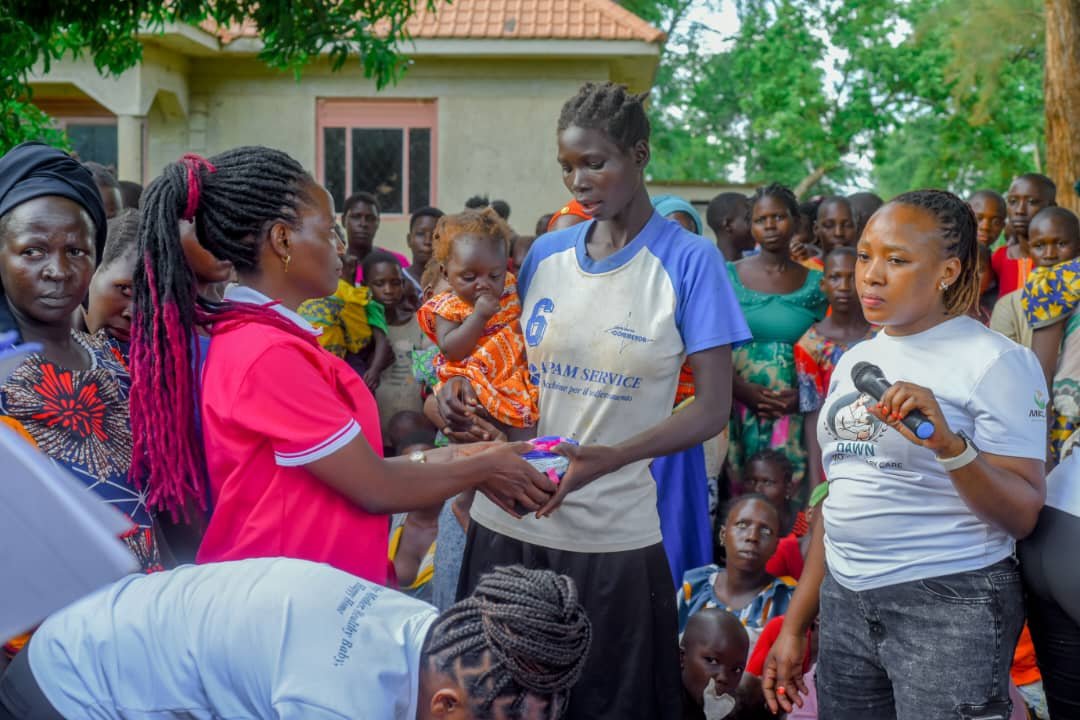


Pregnancy is a beautiful journey filled with excitement, hope, and expectations. However, it can also come with many questions, worries, and uncertainties. Every mother’s pregnancy experience is unique, and seeking professional guidance early can make a significant difference in ensuring the health and wellbeing of both mother and baby.
A midwife is more than a person who assists during childbirth. Midwives provide continuous support throughout pregnancy by offering education, monitoring maternal and fetal health, identifying possible risks early, and helping mothers prepare physically and emotionally for birth and motherhood. In Uganda, where many women still face barriers to accessing timely maternal health information and care, connecting with a skilled midwife can provide reassurance and lifesaving guidance. Antenatal care allows mothers to receive important assessments, preventive interventions, and counselling throughout pregnancy.
Here are five common pregnancy concerns every mother should discuss with a midwife.
1. “Are my pregnancy symptoms normal?”
Many mothers experience symptoms such as nausea, vomiting, tiredness, back pain, breast tenderness, increased urination, or changes in appetite. While some of these experiences are normal parts of pregnancy, others may require medical attention.
For example, severe vomiting, persistent abdominal pain, vaginal bleeding, severe headaches, blurred vision, swelling of the face or hands, fever, or reduced movement of the baby may indicate complications requiring urgent assessment. UNICEF Uganda highlights the importance of recognizing pregnancy danger signs and seeking care promptly when they occur.
A midwife helps mothers understand what is expected during pregnancy and when additional support is needed.
2. “Is my baby growing well?”
Many mothers worry about whether their unborn baby is developing properly. During antenatal visits, midwives monitor important indicators such as maternal weight, blood pressure, fetal growth, and overall pregnancy progress.
In Uganda, antenatal care provides an opportunity to identify and manage conditions such as malaria, anaemia, hypertension, HIV, and other infections that may affect pregnancy outcomes. Regular check-ups also help mothers receive advice on nutrition, healthy behaviours, and preparation for delivery.
3. “What foods should I eat during pregnancy?”
Nutrition is one of the most common concerns among expectant mothers. Many women wonder what foods are best for their baby’s growth, how much they should eat, and whether certain foods should be avoided.
A midwife can provide practical guidance based on locally available foods. For example, mothers in Uganda can benefit from balanced meals containing vegetables, fruits, proteins such as beans, eggs, fish, groundnuts, and other nutrient-rich foods. Proper nutrition supports maternal strength, healthy fetal growth, and recovery after delivery.
4. “Where and how should I prepare for birth?”
Many mothers experience anxiety about labour and childbirth, especially first-time mothers. Questions about pain, delivery options, emergency situations, and when to go to a health facility are common.
A midwife can help mothers create a birth preparedness plan, including identifying a preferred place of delivery, arranging transport, preparing essential items, involving a support person, and understanding signs of labour. Planning ahead is especially important because complications can sometimes develop unexpectedly.
5. “How can I prepare emotionally for motherhood?”
Pregnancy involves emotional changes as well as physical changes. Some mothers experience fear, stress, loneliness, or uncertainty about becoming parents. Emotional wellbeing is an important part of a healthy pregnancy.
A supportive conversation with a midwife can help mothers build confidence, address fears, strengthen family support, and prepare for life with a newborn.
Walking With Mothers Through Every Stage
Pregnancy should not be a journey taken alone. Through professional guidance, education, and compassionate support, midwives empower mothers to make informed decisions and seek care when needed.
The DAWN Mother-Baby Initiative believes every mother deserves access to trusted information, respectful care, and continuous support from pregnancy through birth and beyond. Through telehealth consultations, digital maternal communities, and personalized guidance, DAWN continues to walk alongside mothers across Uganda, helping them experience safer pregnancies and healthier beginnings for their babies.